
Nigeria’s new tax laws for freelancers are one of the biggest topics online right now. If you earn money through freelancing, remote work, content creation, or a side hustle, you may be wondering what these tax reforms mean for you.
You wake up, check social media, and suddenly everyone is talking about Nigeria’s new tax laws.
One post says, “Freelancers will now pay huge taxes.”
Another claims, “Your side hustle is finished.”
Someone else insists that “the government will start monitoring every payment you receive”.
If you’re earning money online through freelancing, virtual assistance, content creation, surveys, or a small business, it’s easy to feel worried.
Before making decisions based on fear, it’s important to understand what Nigeria’s new tax reforms are really about and what they could mean for your income.
Let’s break it down in simple terms.
Nigeria’s New Tax Laws Explained
Many people believe Nigeria’s new tax laws for freelancers introduce completely new taxes.
In reality, the reforms affect different types of income in different ways.
The reforms aim to:
- simplify tax administration
- improve tax collection
- reduce multiple taxation
- encourage business growth
- make tax compliance easier for individuals and businesses
For most people, the biggest takeaway is simple:
If you earn taxable income, keeping proper financial records is becoming more important than ever.
How Nigeria’s New Tax Laws Affect Side Hustles
Having a side hustle does not automatically mean you’ll suddenly lose a large part of your income.
Instead, freelancers and online workers should focus on understanding their tax responsibilities and keeping accurate records of their earnings.
Whether you earn from:
- freelance projects
- consulting
- online businesses
- digital products
- remote work
Being organised makes life much easier if you ever need to calculate or report your income.
The goal is preparation—not panic.
Why Good Record-Keeping Matters
Imagine earning money from three different clients.
One pays through Payoneer.
Another sends a bank transfer.
A third pays through a freelance platform.
After several months, it becomes difficult to remember:
- how much you earned
- which client paid
- when the payment arrived
- what business expenses you had
Keeping simple records helps you:
- understand your income
- monitor business growth
- prepare for possible tax obligations
- avoid unnecessary stress later
A spreadsheet can be enough when you’re just starting.
Separate Your Business and Personal Money
One habit that many successful freelancers develop is separating personal spending from business income.
If your side hustle has become a regular source of income, consider using a separate bank account for business transactions.
Doing this helps you:
- track payments more easily
- identify business expenses
- understand your monthly profit
- stay organised as your income grows
It also makes budgeting much easier.
How the Tax Actually Hits Your Earnings
Nigeria uses a progressive tax system, which means the more you earn, the higher your tax rate. Here’s the 2025/2026 breakdown for side hustlers and freelancers:
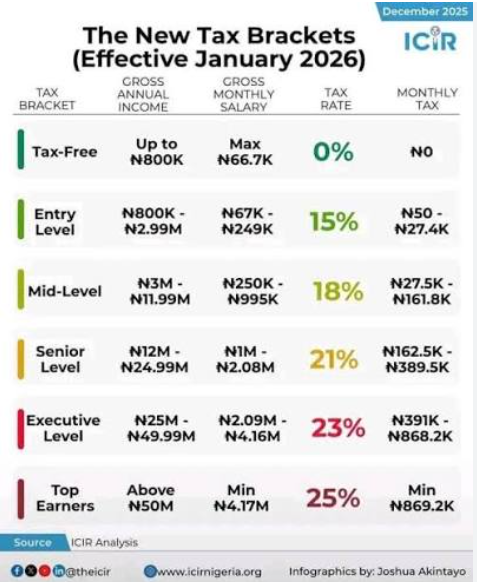
Example: You earn ₦1,000,000 from a side hustle this year. Tax applies only on the 200k above ₦800k, which is ₦30,000. That’s less than your weekend Uber + food runs combined — literally still plenty to invest or reinvest in your hustle.
Online Side Hustles That Can Still Grow in 2026
The good news is that Nigeria’s new tax laws for freelancers do not mean you have to stop freelancing or running your side hustle.
In fact, demand for remote work continues to grow around the world.
Some popular options include:
1. Freelancing
Freelancers offer services such as:
- writing
- graphic design
- programming
- virtual assistance
- video editing
- translation
Platforms like Upwork and Fiverr connect freelancers with clients around the world.
Income varies depending on your skills, experience, and the number of clients you work with.
2. Virtual Assistant Work
Virtual assistants help businesses with daily administrative tasks.
Typical duties include:
- email management
- scheduling meetings
- customer support
- online research
- calendar management
- document organisation
Many businesses hire remote virtual assistants because it saves time and reduces operating costs.
3. Content Creation
Businesses need content every day.
This includes:
- blog writing
- social media posts
- video editing
- copywriting
- email newsletters
As companies invest more in digital marketing, content creation continues to be a valuable online skill.
4. Selling Digital Products
Digital products can include the following:
- templates
- planners
- e-books
- online courses
- printable resources
Unlike physical products, digital products can often be sold repeatedly after they are created.
5. Online Research Studies and Surveys
Some international research companies pay participants for surveys, interviews, and consumer research.
While these opportunities won’t replace a full-time salary for most people, they can provide extra income when combined with other side hustles.
Always research any platform before signing up.
Simple Ways to Stay Financially Organised
You don’t need expensive accounting software.
Start with these habits:
- Record every payment you receive.
- Save invoices and receipts.
- Keep screenshots or transaction confirmations.
- Track business expenses.
- Review your income every month.
Small habits today can save you major headaches later.
Continue Learning New Skills
One of the best ways to prepare for any economic change is to become more valuable.
Skills like:
- virtual assistance
- social media management
- customer support
- graphic design
- video editing
- digital marketing
continue to be in demand.
The more valuable your skills become, the easier it is to attract better-paying clients.
Don’t Believe Every Social Media Rumour
Whenever major financial news breaks, misinformation spreads quickly.
Before sharing posts or making financial decisions:
- read official announcements
- verify information from trusted sources
- avoid relying on screenshots circulating on WhatsApp
- check updates from recognised government agencies
As Nigeria’s new tax laws for freelancers continue to evolve, staying informed will help you remain compliant while growing your income.
Final Thoughts on Nigeria’s New Tax Laws for Freelancers
Nigeria’s tax system is changing, but that doesn’t mean your side hustle has to stop.
The smartest freelancers and online entrepreneurs aren’t reacting with fear.
They’re preparing.
Improving their skills.
And keeping proper records.
And they’re building businesses that can grow for years to come.
With the right information and good financial habits, you can continue earning online while staying organised and ready for any future changes.
Understanding Nigeria’s new tax laws for freelancers can help you stay compliant while continuing to grow your online income.
Continue Learning with 1extraGig
Looking for more beginner-friendly ways to earn online?
Explore our Another Paycheque section for practical guides on the following:
- Virtual assistant jobs
- Freelancing
- Online surveys
- Data entry
- Scam awareness
Whether you’re just starting or looking to grow your income, you’ll find practical resources designed for Nigerians.
Disclaimer
This article is for educational purposes only and should not be considered tax or legal advice. Tax obligations vary depending on your individual circumstances. If you’re unsure about your obligations under Nigeria’s tax laws, consult the Federal Inland Revenue Service (FIRS) or a qualified tax professional.
Read more guides on freelancing, remote work, and Nigeria’s new tax laws for freelancers on 1extraGig.